


How Mesa’s Summer Heat Affects Your Garage Door — And What to Do About It
If you’ve lived in the Phoenix area for more than one summer, you already know the heat doesn’t just make you uncomfortable, it puts serious stress on everything around your home. Your garage door is no exception. When temperatures regularly climb past 110°F, the mechanical components, hardware, and materials that make up your garage door system take a beating. A little preventive attention in the early summer months can save you from a breakdown on the hottest day of the year.
At Garage Door Repair Near Me of Mesa, we see the same heat-related problems every year. Here’s what to look for, what to do yourself, and when to call a professional.
Why Extreme Heat Is Hard on Garage Door Systems
Most homeowners don’t think about their garage door until something goes wrong. But Arizona summers create a unique set of conditions that accelerate wear in ways that milder climates simply don’t produce.
- Metal expansion: Steel tracks, springs, and hardware expand in extreme heat. Over time, this can throw components out of alignment.
- Lubricant breakdown: Standard lubricants thin out and evaporate quickly in triple-digit temperatures, leaving metal parts grinding against each other.
- Rubber and vinyl degradation: The weatherstripping along the bottom and sides of your door can crack, harden, and lose its seal, letting heat, dust, and pests into your garage.
- Spring fatigue: Torsion and extension springs cycle thousands of times per year. Heat stress accelerates metal fatigue, increasing the risk of a sudden break.
- Opener strain: Your garage door opener motor works harder in a hot garage. Overheating is one of the most common reasons openers fail during summer months.
Your Summer Garage Door Inspection Checklist
Before the peak of summer arrives, walk through these inspection steps. Many of them take only a few minutes and require no special tools.
| Maintenance Task | DIY or Pro? | Recommended Frequency | Estimated Cost |
|---|---|---|---|
| Lubricate rollers, hinges, tracks | DIY | Every 3 months | $5–$15 (lubricant) |
| Replace weatherstripping | DIY | Every 1–2 years | $20–$50 |
| Check and tighten track hardware | DIY | Every 6 months | Free |
| Balance adjustment (spring tension) | Professional | Annually or as needed | $75–$150 |
| Spring replacement | Professional | Every 7–10 years | $150–$350 |
| Opener motor service or replacement | Professional | Every 10–15 years | $200–$500 |
1. Test the Balance of Your Door
Disconnect the opener and manually lift the door halfway up. It should stay in place with little effort. If it drops or shoots upward, the spring tension is off — and that’s a job for a professional. An unbalanced door puts excessive strain on your opener and can become a safety hazard.
2. Inspect and Replace Weatherstripping
Check the rubber seal along the bottom of the door and the vinyl stops along the sides and top. If the material is cracked, brittle, or pulling away, replace it before summer is in full swing. Good weatherstripping also helps keep your garage cooler by blocking radiant heat from creeping in around the door edges.
3. Lubricate All Moving Parts
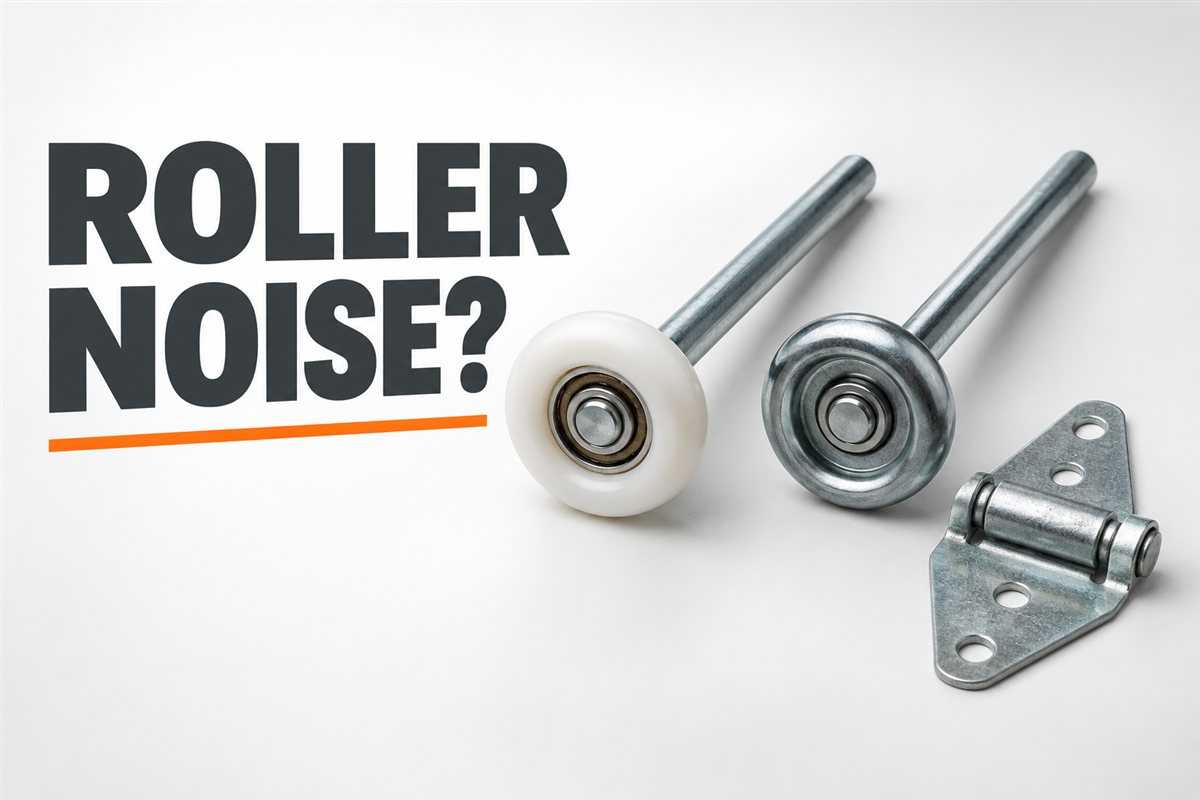
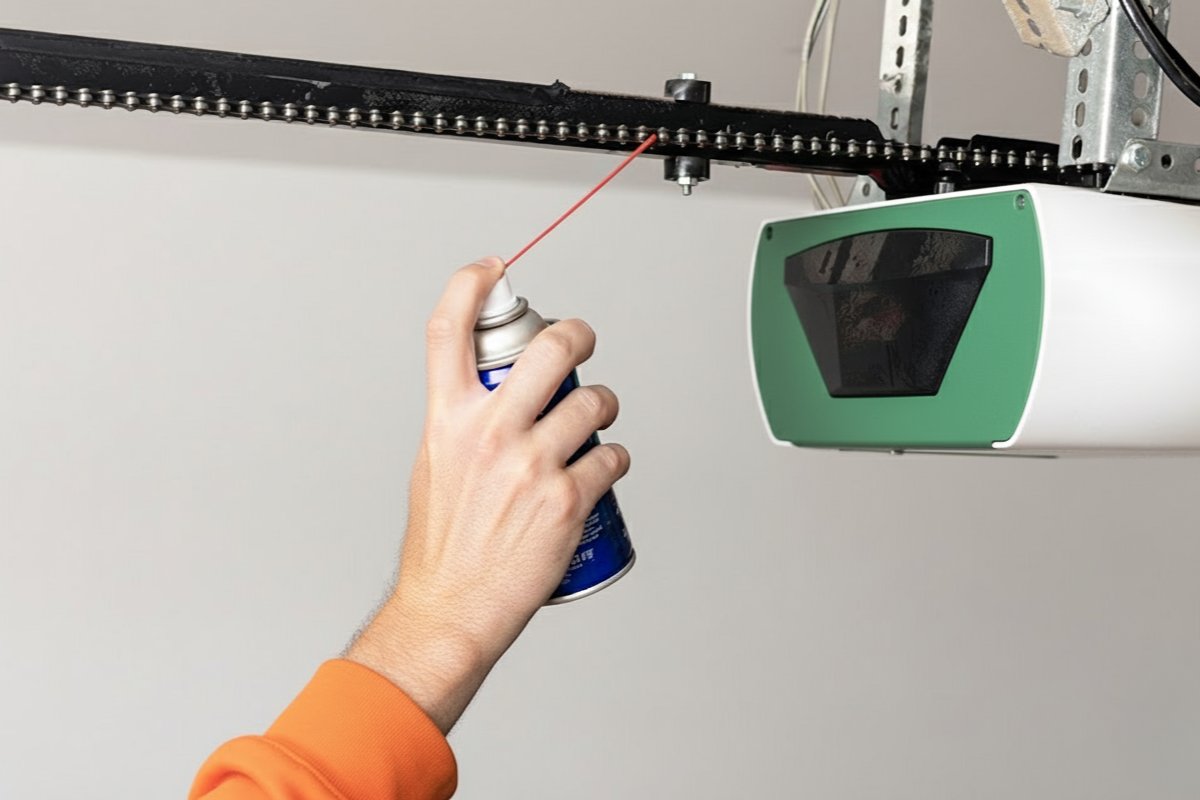
This is one of the most important steps for Arizona homeowners. Use a silicone-based or lithium-based lubricant specifically rated for high temperatures, not WD-40, which evaporates quickly and can attract dirt. Apply lubricant to the rollers, hinges, tracks, and the torsion spring. This reduces friction, extends component life, and keeps operation smooth and quiet.
4. Check the Tracks and Hardware
Look along both vertical and horizontal tracks for bends, gaps, or misalignment. Tighten any loose bolts on the track brackets and roller hinges. Even minor misalignment can cause uneven wear — and in summer heat, problems tend to escalate faster.
5. Test Your Safety Features
Place a small piece of wood flat on the ground in the path of the door. When the door closes and contacts the wood, it should automatically reverse. If it doesn’t, your auto-reverse mechanism needs adjustment. Also test the photo-eye sensors at the base of the door frame, wipe them clean and confirm the indicator lights are steady.
Protecting Your Garage Door Opener in the Heat
Most garage door openers are designed to operate in temperatures up to around 100–105°F. In Mesa and the greater Phoenix area, your garage interior can easily exceed that, especially in the afternoon hours. If your opener has been sluggish, clicking, or failing to complete a full open or close cycle, heat stress may be the cause.
Consider adding insulation to your garage door if you haven’t already. Insulated doors significantly reduce interior temperatures, protect your opener motor, and make the space more comfortable overall. Our team can walk you through the best insulation options for your current door or help you explore an upgrade.
When to Call a Professional
Some maintenance is well within reach for a careful homeowner. (10-Minute Monthly Garage Door Safety Check) But certain repairs, particularly anything involving torsion springs, cable systems, or track realignment, carry real safety risks and should be handled by an experienced technician. If you notice any of the following, stop using the door and give us a call:
- A broken or visibly worn spring
- Cables that appear frayed or off the drum
- A door that’s grinding, jerking, or moving unevenly
- An opener that hums but doesn’t move the door
- Any part of the door that’s visibly bent or damaged
Keep Your Garage Door Ready for the Arizona Summer
A little preparation goes a long way when temperatures climb. The homeowners who call us in July with emergency repairs are often the ones who skipped spring maintenance. Taking an hour now to inspect, lubricate, and test your garage door system is the most effective thing you can do to avoid a stressful breakdown when the heat is at its worst.
Garage Door Repair Near Me of Mesa has been serving the Mesa and greater Phoenix area with honest, experienced garage door service, and our 4.9-star rating across 103 reviews reflects the trust our customers place in us. Whether you need a full summer inspection, a tune-up, or a same-day repair, we’re here to help.
Frequently Asked Questions
How often should I lubricate my garage door in Mesa’s climate?
Because of Arizona’s extreme heat, you should lubricate your garage door’s moving parts at least every three to four months rather than the once-a-year schedule common in cooler climates. The intense heat causes lubricants to break down and evaporate much faster, so more frequent applications keep your rollers, hinges, and springs protected year-round.
Can the Arizona heat damage a garage door that’s made of wood?
Yes, wood garage doors are especially vulnerable in Mesa’s climate because extreme heat and low humidity cause the wood to warp, crack, and fade over time. If you have a wood door, it’s a good idea to inspect it for warping at the start of summer and make sure it’s properly sealed or painted to slow down heat and UV damage.
Is it worth insulating my garage door to help with the summer heat?
Absolutely — an insulated garage door can make a noticeable difference in keeping your garage cooler, which also reduces the strain on your opener motor. If your current door is uninsulated, you can add an insulation kit yourself or ask a professional about upgrading to an insulated model, which can also improve energy efficiency if your garage is attached to the house.
Why does my garage door opener seem slower or weaker during the summer?
Garage door opener motors generate heat on their own, and when they’re already sitting in a garage that’s well over 100°F, they can overheat and throttle performance as a protective measure. Make sure your opener has adequate ventilation and isn’t blocked by stored items, and if it consistently struggles during peak heat hours, it may be time to have a technician inspect it before it fails completely.
How do I know if my garage door spring broke because of the heat or just normal wear?
It can be hard to tell the difference, but heat accelerates metal fatigue, so springs that might have lasted another year or two in a milder climate can snap sooner in Mesa’s summers. Either way, a broken spring is not a DIY repair — the tension involved makes it dangerous to handle without the right tools and training, so it’s best to call a professional as soon as you notice the door won’t open or feels unusually heavy.
Call us today at (480) 602-3394 or visit garage-door-repair-near-me-mesa.com to schedule your summer garage door inspection. Don’t wait until the hottest day of the year, reach out now and let’s make sure your door is ready for whatever this Arizona summer brings.